History
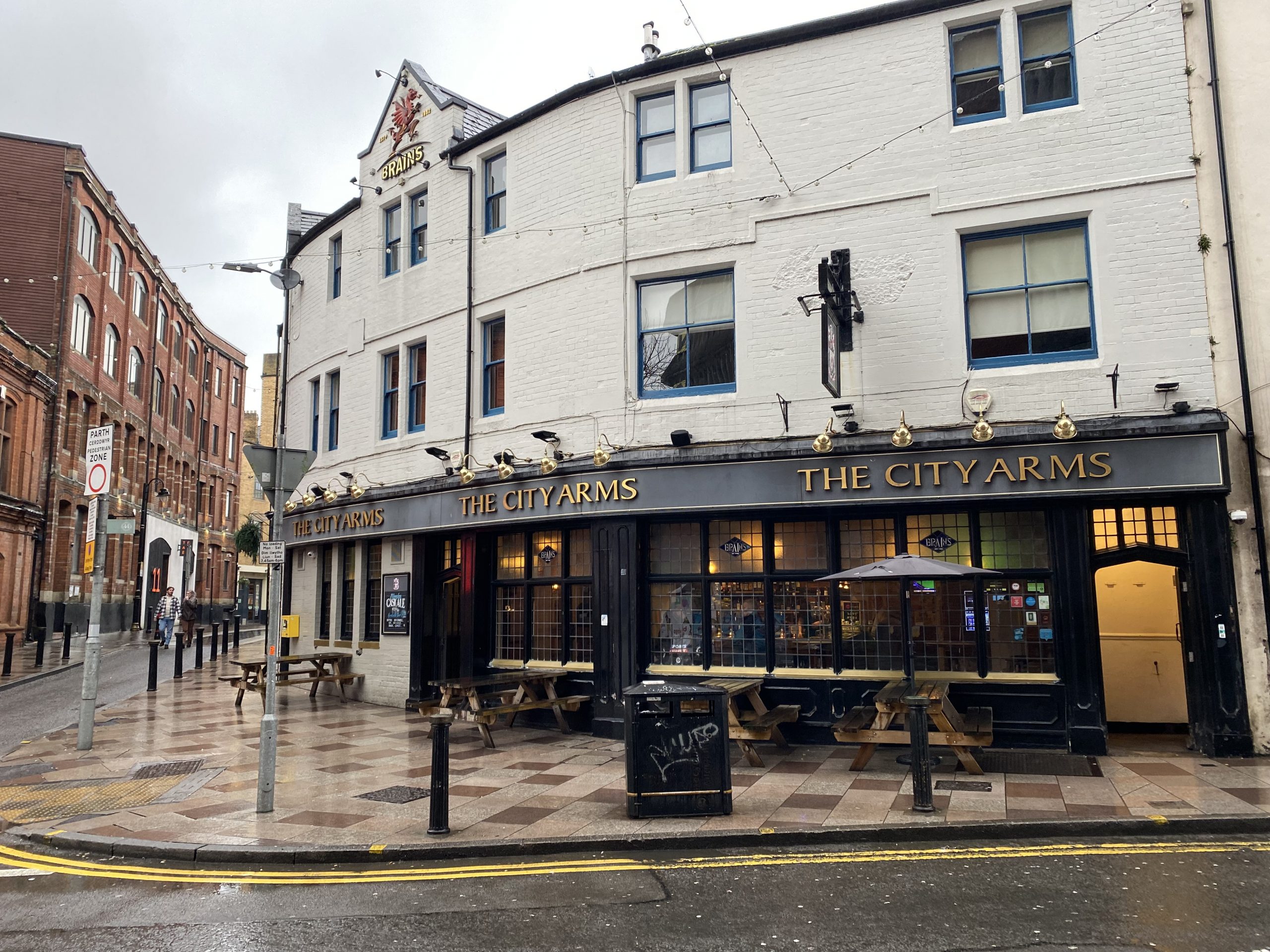
The City Arms
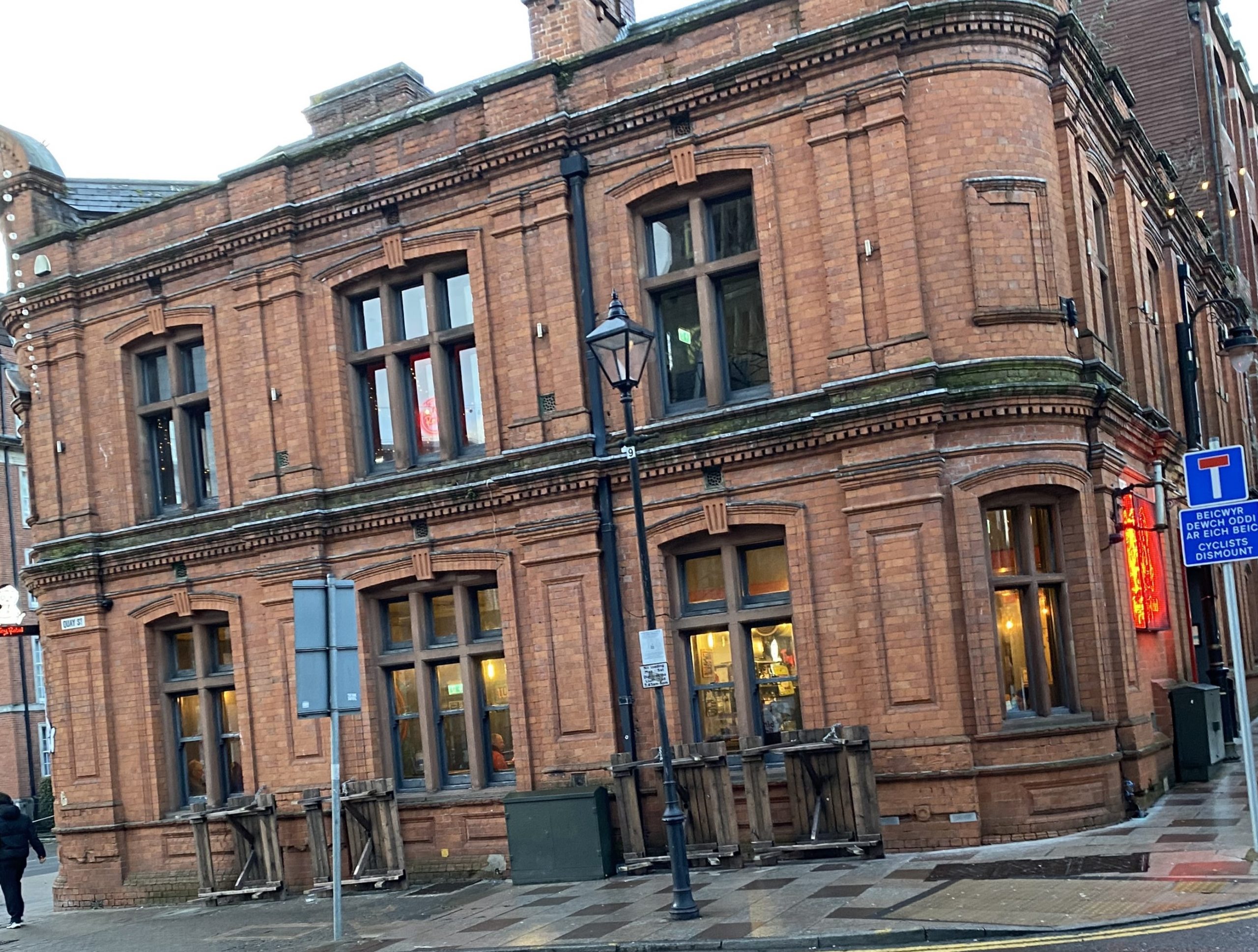
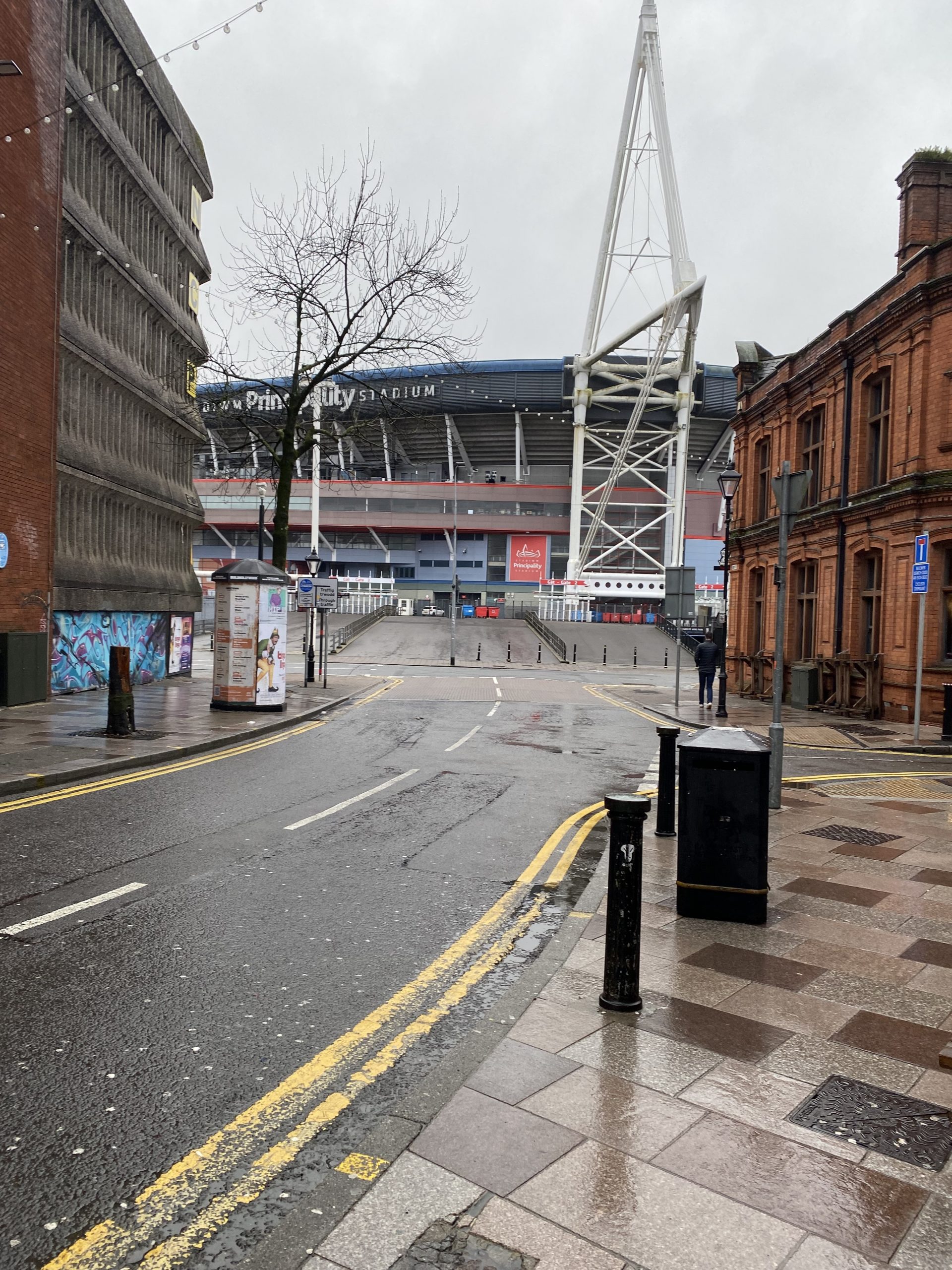
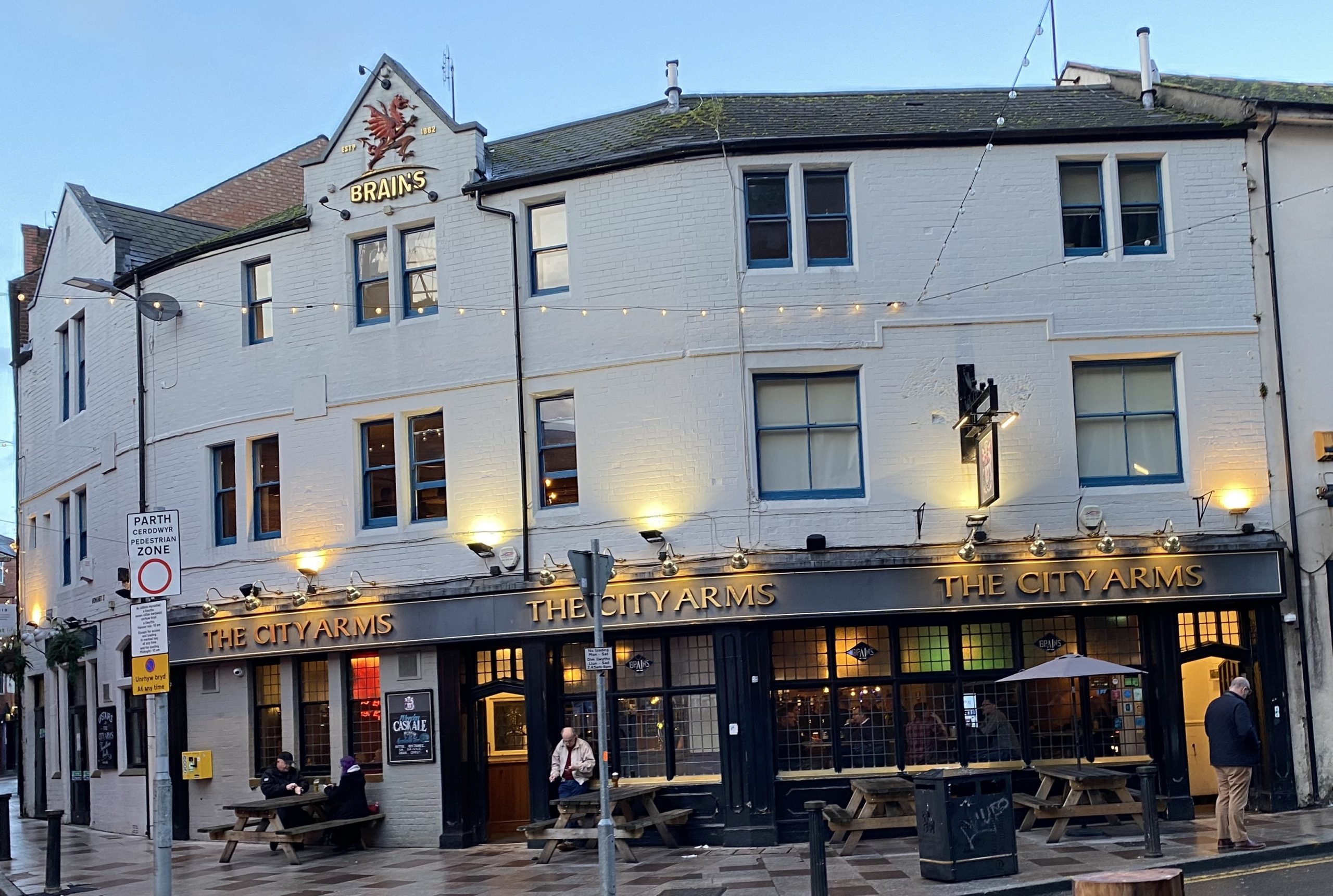
The City Arms stands on the corner of Womanby Street and Quay Street in the centre of Cardiff, directly opposite the Principality Stadium and the Cardiff Arms Park. For a long time, it was a Brain’s pub also serving numerous guest ales, eventually taken over by Marstons in the 2020s
The Development of the Old Quay
The building was there in 1610 and shown on John Speed’s map of Cardiff, although probably not a tavern in those early days. It did, however, face the Quay on the River Taff, very close to Blount’s Gate. The Normans built a town wall after their invasion of Cardiff with gates and watchtowers to protect themselves from the Welsh Lords surrounding the area. The key gates were the West, East, North, South and Blount’s although the Golate may have been a similar riverside gate.
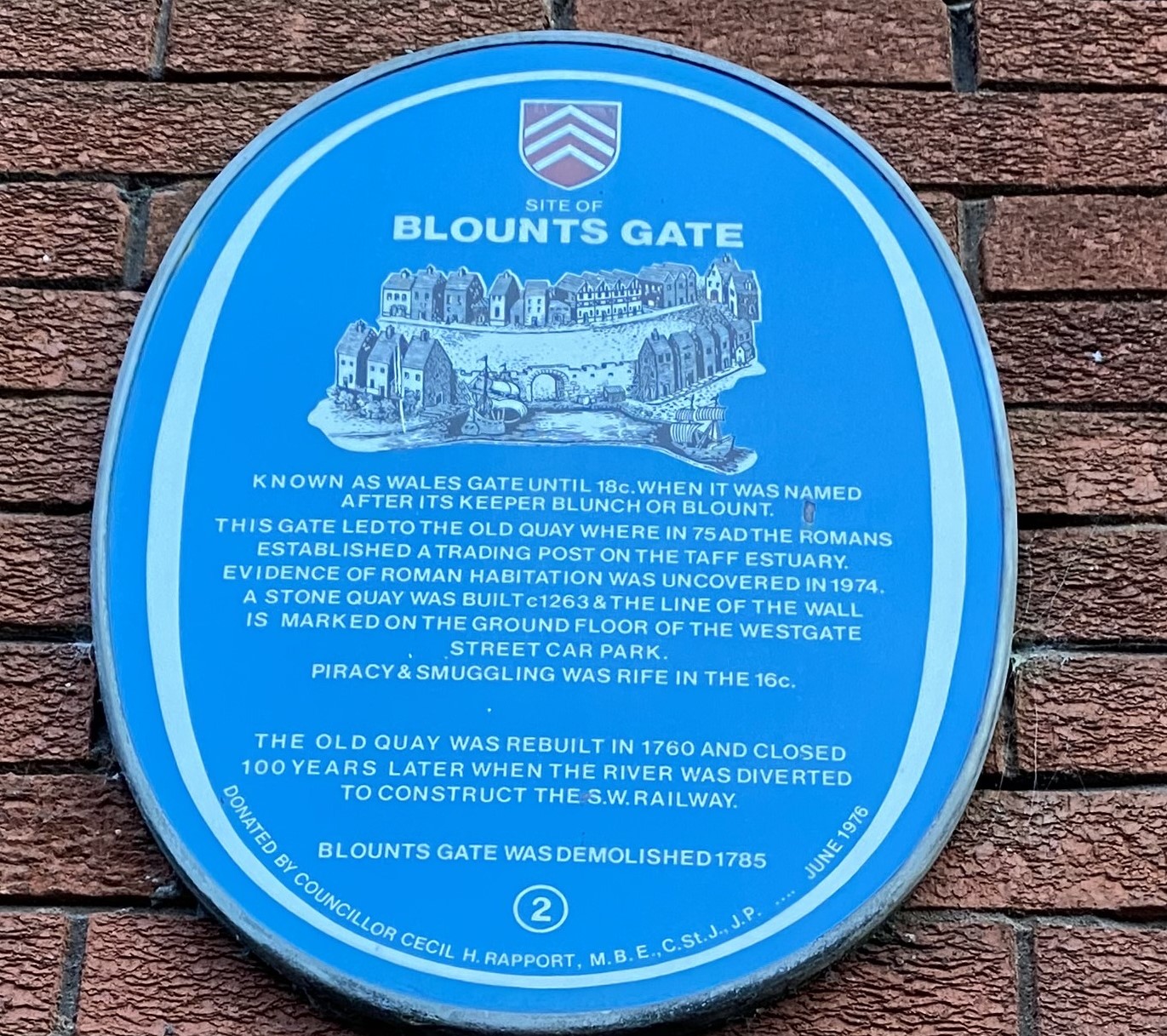
Blount’s gate seems to have been built when the town walls were re-constructed after their destruction by Owain Glyndwr. It was recorded in 1542 and probably named after the keeper of the gate. It marked the way from the Old River Quay to Womanby and Quay Street where a blue plaque exists today commemorating the old gate.
The Old Quay was originally a Roman trading post which became a stone quay in 1263. It was rebuilt in 1760 and Blount’s Gate demolished in 1785. There is little mentioned of watchtowers, although there were watchmen on the Quay and some associated with the Taverns of the River quay area
In medieval times, there were no docks or no canal, and the ships would tie up on the quay leading to Quay Street. There were several builders and shipwrights lining the old quay and the lesser quay (towards the Golate), with numerous sailors and labourers giving rise to a number of taverns in the area. The Quays also flourished in these times, expanding the number of wharves, and the town of Cardiff was well known for its association with pirates and smugglers renowned for their exploits in the Severn Estuary.
Womanby Street
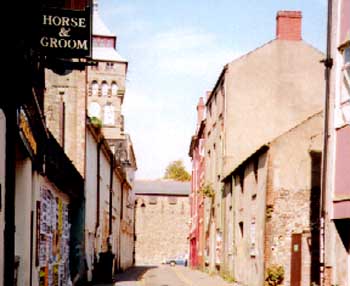
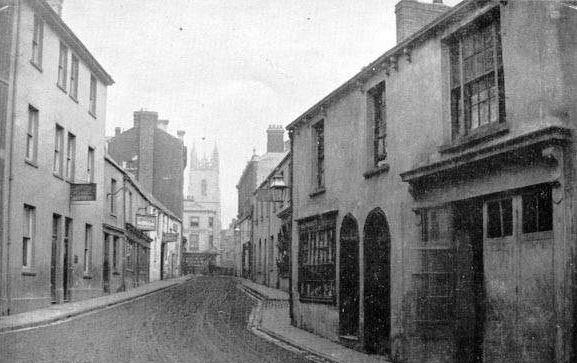
Adjoining Quay Street and leading to the castle was the old thoroughfare of Womanby Street. The name was of Viking origin and had changed a few times over the previous 1000 years, and it was a significant track again housing a number of taverns. Womanby Street is one of the oldest tracks in Cardiff and it is believed that at one time, a gallows lay at the top end outside the Castle, and possibly a tavern named the Buckets of Blood stood nearby
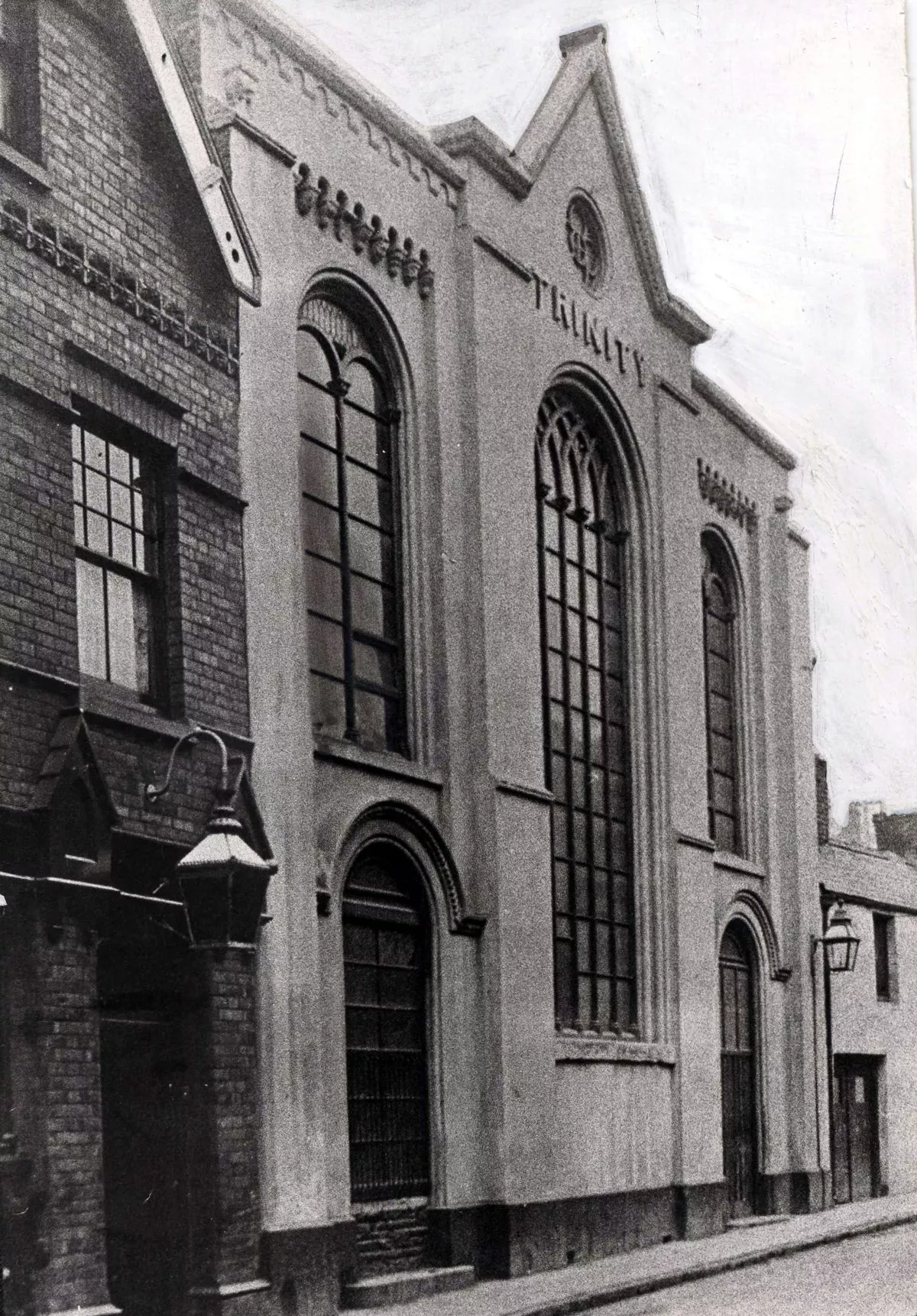
In 1696 the Trinity Church was built there later to become a Presbyterian Chapel.
At the end of Womanby street and overlooked by the castle was the significant Cardiff Arms Hotel. Belonging to the Bute Family, it was a main coaching inn built in 1770 on the site of an early 17th century tavern called Ty Coch. Although demolished for road improvements between 1878 and 1883, the hotel gave its name to the Cardiff Arms Park The Angel replaced the Cardiff Arms Hotel
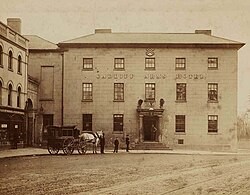
The Angel Hotel used to lie opposite Cardiff Castle named after the street it stood in – Angel Street. Angel Street was a part of the main thoroughfare through Cardiff and a Turnpike Road. The Angel hotel goes back a long way and from around 1782 it was run by John Bradley and was the destination for the daily mail coach from England. The road system was changed in late Victorian times (Duke Street was also widened in 1923), and Angel Street was replaced by Castle Street alongside Cardiff Castle.
The Angel Hotel moved just down the road and opened in 1883, now occupying the corner of Westgate Street and Castle Street
On the east of Womanby Street approaching the Cardiff Boat Tavern was the entrance to Jones’s court – a poor living quarter created by the Marquis of Bute around 1830 for labourers. There were several courts in Cardiff around this time, which were basically slums and no doubt led to the Cholera outbreak of 1849
Iron and Coal
The continual growth in Iron production and then Coal gave rise to the building of the Glamorganshire Canal and eventually to the building of the docks. The roads were still in a poor state and the canal struggled to carry the ever increasing amount of iron and coal bound for the industrial towns and overseas. The Taff Vale railway was constructed and Brunel’s South Wales railway came to Cardiff in the 1840s, and with it, a central station slightly further down the river. This meant that the River Taff needed to be diverted and the quay and wharves were replaced by Westgate Street, although the other side of the river was a swamp marsh and needed to be drained. When drained the area was used for recreation purposes, firstly cricket from 1848 and then rugby by the 1880s becoming known as Cardiff Arms Park
The quay was already in decay following the advent of the Glamorganshire canal and the initial Bute Dock, but still had several taverns, and passengers could still travel from there across the Severn Sea to Bristol. A slaughterhouse was built in 1840 and a cattle market close by
The Cattle Market
The building that was to become the City Arms was situated at number 12 Quay Street and used to be called the Van of Flesh in 1851, becoming the Cattle Market Tavern in 1858 as it stood opposite Cardiff’s slaughterhouse and cattle market. In 1851, the Van of Flesh seemed to be already in competition with the Cardiff Boat and Ship on Launch. The slaughterhouse stood on the junction of Quay Street and Westgate Street and the cattle market where the NCP car park is today from 1840 to 1877
The Market was in the open air in Cardiff centre, although another market was opened in Canton in 1859 and finally the slaughterhouse was moved to Constellation Street in Adamsdown in 1862 after some National debate. When the slaughterhouse and cattle market thrived, the area became known for a proliferation of butchers who also used the taverns
The Development of the Taverns
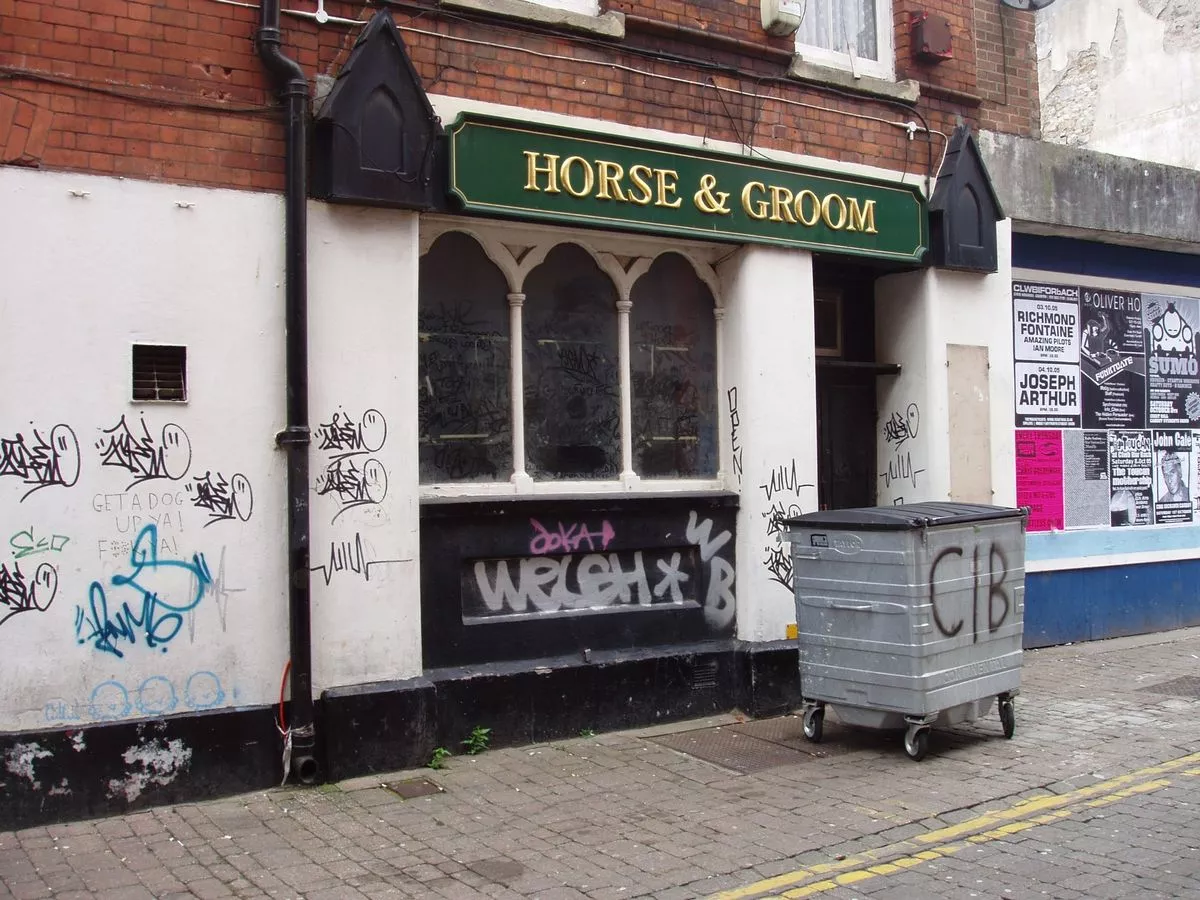
Very close was the Ship on Launch (later to become the Model Inn) at 15 Quay Street and Womanby Street housed the Cardiff Boat, Horse and Groom and the Red Cow. The Horse and Groom stood close to the Red Cow across the road from the Cattle Market Tavern. These were all very old Taverns, and it seems the Cardiff Boat was first recorded in 1792. The Red Cow was later greatly expanded to become the Grand Hotel
Pigot’s Directory of 1835 notes the Cardiff Boat in Womanby Street run by the Landlord, John Lewis – it had been David Evans in 1830. The Horse and Groom was also recorded in the same directory. Wakeford’s directory of 1855 noted T Harvey was the landlord of the Cardiff Boat and by 1863, David Sullivan had become the landlord (Duncan and Ward’s directory). The Cattle Market Tavern landlord at the time was John Rees
1880 Slaters Directory states that the Cardiff Boat was at 16 Womanby Street and run by Ann Llewellyn and refers to the Horse and Groom at 26 Womanby Street run by Sarah Thomas. It must have been a busy place with the Red Cow at 25 Womanby Street and the Ship on Launch still in Quay Street with Julius Hettich as the Landlord
Cardiff Arms Park
The Great Park was originally a swampy marsh behind the Cardiff Arms Hotel from which it took its name. Following the recovery and draining of the marsh, the Marquis of Bute stipulated that the ground could only be used for recreational purposes and in 1848 the Arms Park was being used for cricket matches by Cardiff Cricket club. By 1878 the Cardiff Arms Hotel had been demolished just after Cardiff Football Club was formed in 1876. Cardiff (later to be Cardiff RFC) started to play at the Arms Park and spectator stands started to be erected in 1881
Rugby Union took off on a grand scale, and the Arms Park was a major venue a few yards away from the Cattle Market Tavern. The first International was played on the ground in 1884 between Wales and Ireland. Wales were becoming a major force and hosted New Zealand in 1905, winning the game in the year that Cardiff became a City – which also saw the name of the tavern change to the City Arms
It wasn’t just rugby as Riverside AFC played some matches at the Arms Park before moving to Ninian Park as Cardiff AFC in 1910. Larger stands were built in 1912 and the ground was leased to Cardiff Athletic Club in 1922 and a new North Stand built in 1934. The ground was, however, damaged in the Second World War bombings leading to a new South stand in 1956 which then housed the Empire Games in 1958. There was some serious flooding in 1960 again leading to a rebuild in 1984. The Greyhound track surrounding the Arms Park was taken away and in 1999 the rugby stadium was demolished and rebuilt as the Millenium stadium with Cardiff Arms Park next to it as a smaller stadium
The Glamorgan County Cricket Club was founded at the Angel Hotel in 1888 and played at the north end of the Arms Park along with Cardiff CC until they moved to Sophia gardens in 1967. The Bowls club still plays at the Arms Park, and Cardiff RFC celebrate their 150 year anniversary this year. The Stadium next door is now called the Principality stadium and hosts numerous events and concerts as well as the being the home of Welsh Rugby. It hosted a few European Rugby finals and several World Cup games and even hosted Rugby League international, and the Wales Football team has played there several times.
The City of Cardiff
Later in the 20th century, the City Arms acquired the building next door which had become the Labour Club and known as the Arts Club upstairs. Across the road, Cardiff Fire Station was a prominent building, erected in 1917 on the site of the Cattle Market and then demolished in 1973 to be replaced by a multi-story Car Park
The Glamorgan council building was on the corner of the slaughterhouse location bu late Victorian times, to become a Staff Club and then eventually the Tiny Rebel bar
Over the years many of the taverns closed or changed their names. Opposite the Castle, the Globe (also a coaching stop in 1830), became the 4 Bars then Dempseys and now the Eleven’s Bar. Clwb Ifor Bach is an independent Welsh music venue founded in 1983 in the old British Legion Club building, and the name pays tribute to the Welsh Lord of Senghenydd who scaled the walls of Cardiff Castle Keep to capture the Lord of Glamorgan and family in reprise for their anti-Welsh behaviour – several music venues followed – the Moon, The Fuel Rock Club (2006) and New Moon clubs. Womanby Street still continues to be a busy place although the Dog and Duck, The Arts Club, the Horse and Groom and the Toucan have long been closed and much further back the Cardiff Boat. Today the main Pubs and Clubs on Womanby street include Clwb Ifor Bach (Number 11), Wetherspoons, the Tiny Rebel (corner of Quay and Westgate streets) the Fuel Rock Club and the Moon.
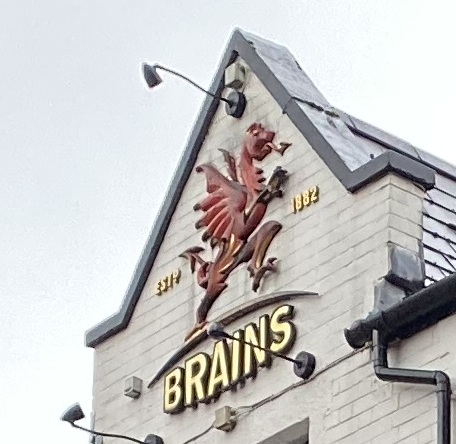
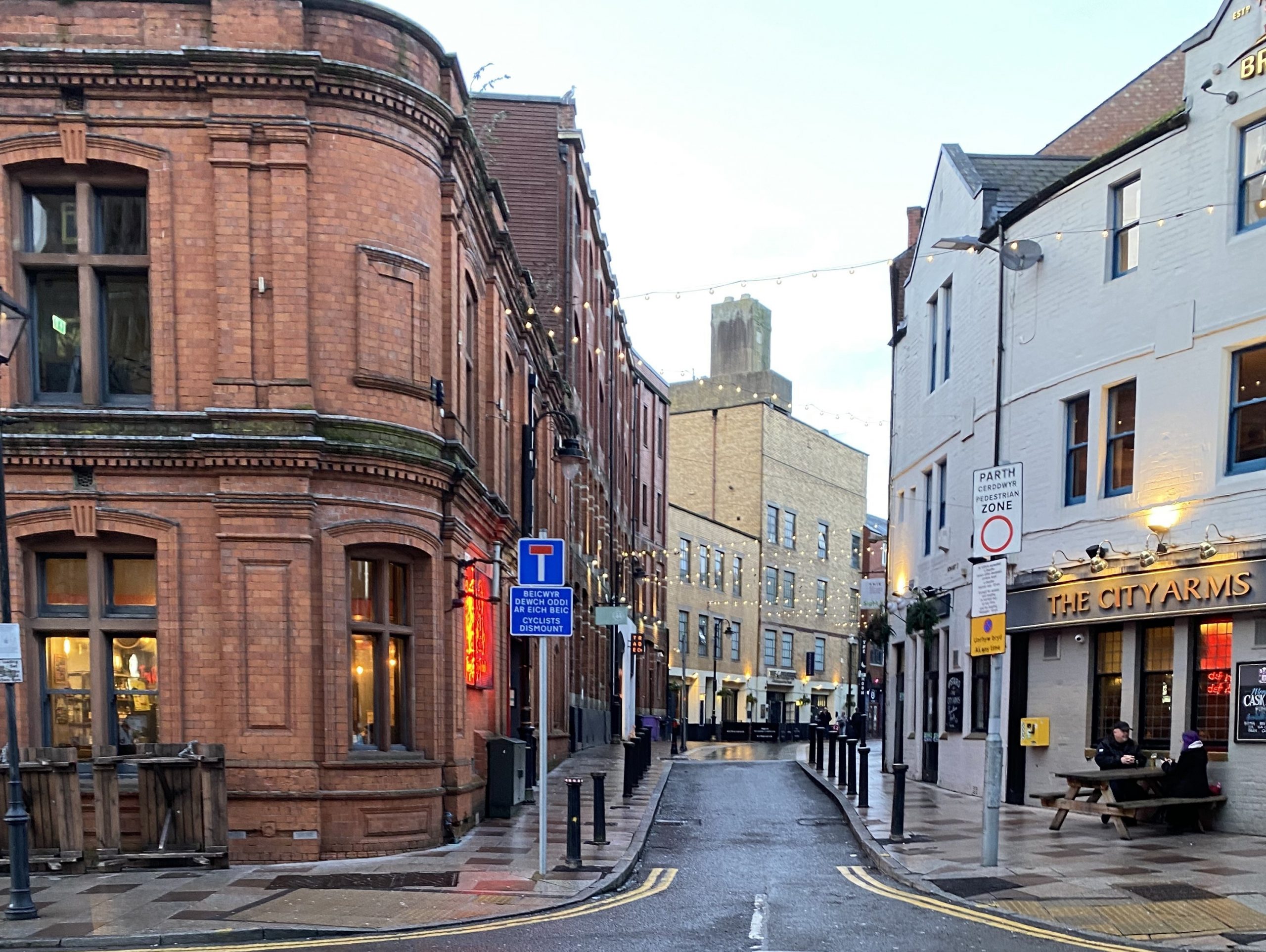
The City Arms continued to be a well-known and favourable establishment as others around changed and even closed. In 1956 the Model Inn was bought by Brains Brewery and continued as a Pub until 2010 when it was re-opened as a grill and is now the Asador 44 restaurant
Our Sponsors
